America's Home Savings: Cost Guides for Six Home Upgrades
What a roof, a solar array, new windows, an inground pool, a pest plan or an alarm system actually costs, which line items move the number, and when the honest answer is to wait.
- ✓Independent guides, not a contractor
- ✓Every guide says when not to buy
- ✓Claims checked against published labels
- ✓No invented savings figures anywhere
America's Home Savings is a research site for six household purchases that are hard to price and easy to overpay for: roof replacement cost, solar panel installation cost, window replacement cost, inground pool cost, pest control cost and home security systems.
Nothing on this site is installed, inspected or repaired by us, and nobody is ever sent to your house. There is nothing here to buy from us, which is the reason these pages can say plainly when a purchase is not worth making.
Every guide is built the same way. It names the unit the trade actually prices in, whether that is a square of roof, a dollar per watt, an opening, a linear foot of foundation or a monitoring month. Then it lists the four or five variables that move that unit, and it says which of them a low bid usually leaves vague.
Where a claim can be checked, the guide names the thing to check it against: a UL impact class on a shingle, an NFRC label on a window, an ENERGY STAR criterion for your climate zone, the retreatment terms inside a termite bond, the rate a monitoring contract steps up to in month thirteen. None of that is secret. Most of it is one page of a manufacturer's data sheet that any salesperson can send you.
The other half of a buyer's guide is the part that tells you to keep your money. A roof in its middle years with an intact mat does not need replacing because somebody knocked on the door. A heavily shaded roof does not need solar.
A pool keeps costing money every year after the day it is finished, and new windows pay back slowly enough that you may sell the house before they finish. Each page below carries the case against as clearly as it carries the case for buying.
Why Nationwide Chooses America's Home Savings
- ✓Nothing here is installed, inspected or repaired by us, so there is no job we are steering you toward
- ✓Each guide names the unit the trade prices in, so two quotes can be compared as quantities
- ✓Performance claims are tied to a label or standard you can read yourself in about a minute
- ✓The case for not buying is written on the page, not left out of it
- ✓Quotes are broken into the four line items a low bid usually leaves vague
- ✓No average prices, no savings percentages and no numbers we cannot show the source for
About America's Home Savings in Nationwide, US
America's Home Savings publishes buyer guides for six home purchases that most people make once or twice in a lifetime: a roof, a solar array, replacement windows, an inground pool, a pest control plan and a home security system. It is not a contractor, an installer, an inspector or a broker of work. Nobody here will ever measure your house.
That is deliberate, and it is the reason to trust the pages. An outfit that sells the work has a reason to describe the work a particular way, and the tell is usually the same: cost pages that skip the case for not buying. These guides carry that case first, because the most valuable thing a homeowner can learn about any of these six purchases is the set of conditions under which it is the wrong purchase.
The method is the same on every page. Name the unit the trade prices in. List the variables that move it. Point at the published label or standard that lets a claim be checked rather than believed. Then set out, in plain terms, what a quote has to contain before it can be compared to another quote. None of that requires a price estimate, and none of it goes stale the way a price estimate does.
There are no invented figures anywhere on this site. No average savings, no percentage returns, no customer counts, no awards, no review totals. Where a number appears it belongs to a published standard, a label or a piece of arithmetic you can repeat yourself with your own quotes in front of you. If something here cannot be checked, it should not be here, and it can be reported so it gets removed.
The site does earn money, or is intended to, by referring readers to companies that do the work. That arrangement is disclosed wherever it applies rather than buried, and it does not change what the guides say. A recommendation that survives only because the reader did not know how it was paid for is worth nothing to anybody, including the company at the other end of it.
Our Home Savings Services in Nationwide, US
Roof Replacement
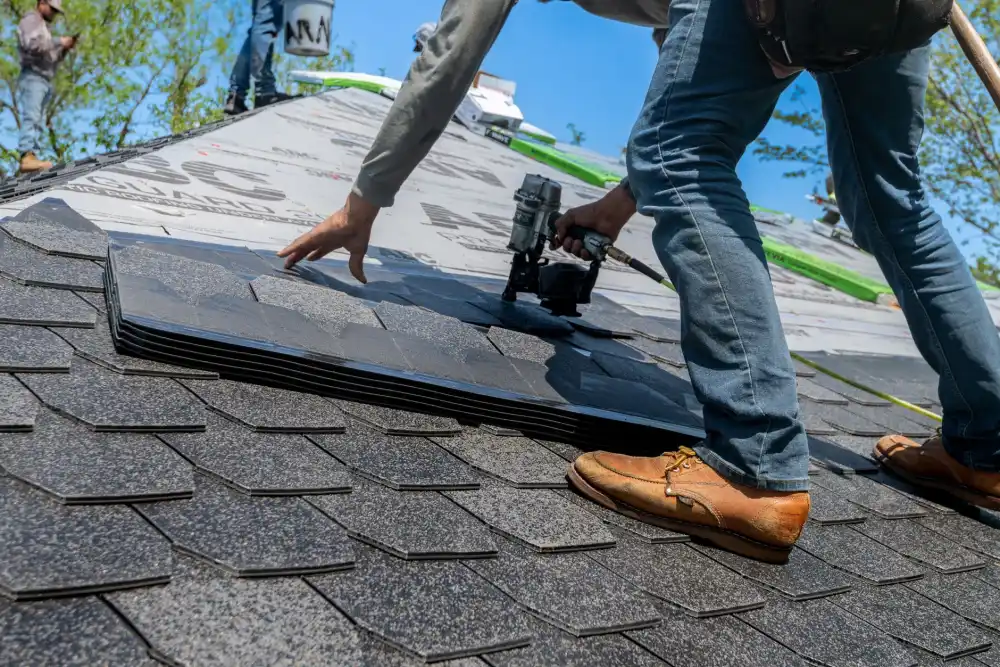
Roof replacement cost is set by the roof, not by the house underneath it. Pitch, squares, tear-off layers, decking condition and flashing decide the bid before anyone picks a shingle color, and those five are exactly what a thin quote leaves vague.
Solar Panels
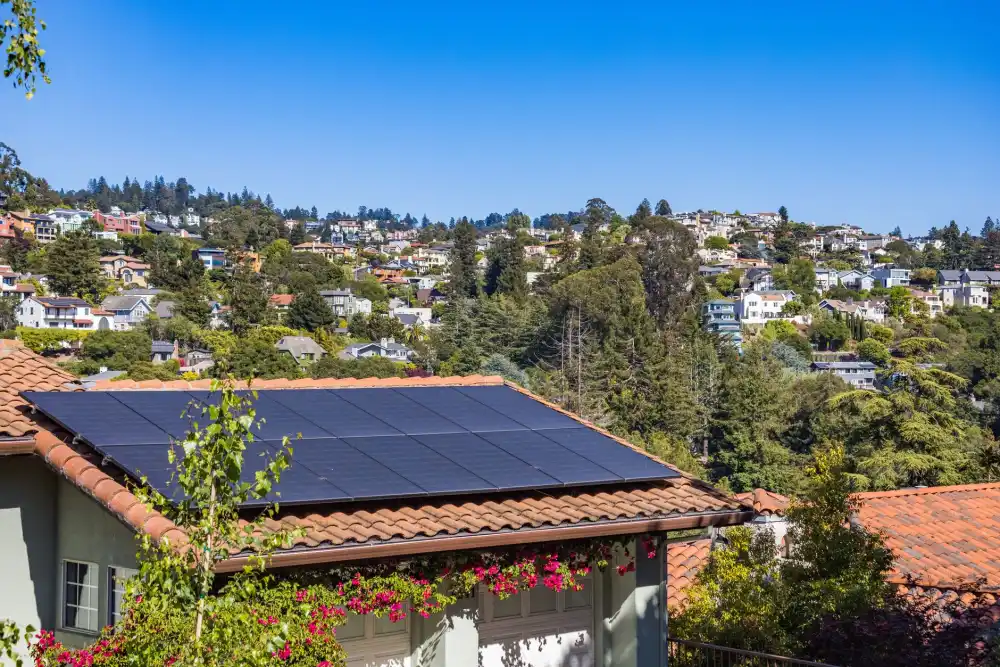
Solar panel installation cost is quoted two different ways, and only one of them lets you compare two companies. Ask every bidder for the system size in kilowatts and the gross price per watt before any incentive, because a total that has already had credits subtracted hides both the size and the markup.
Replacement Windows
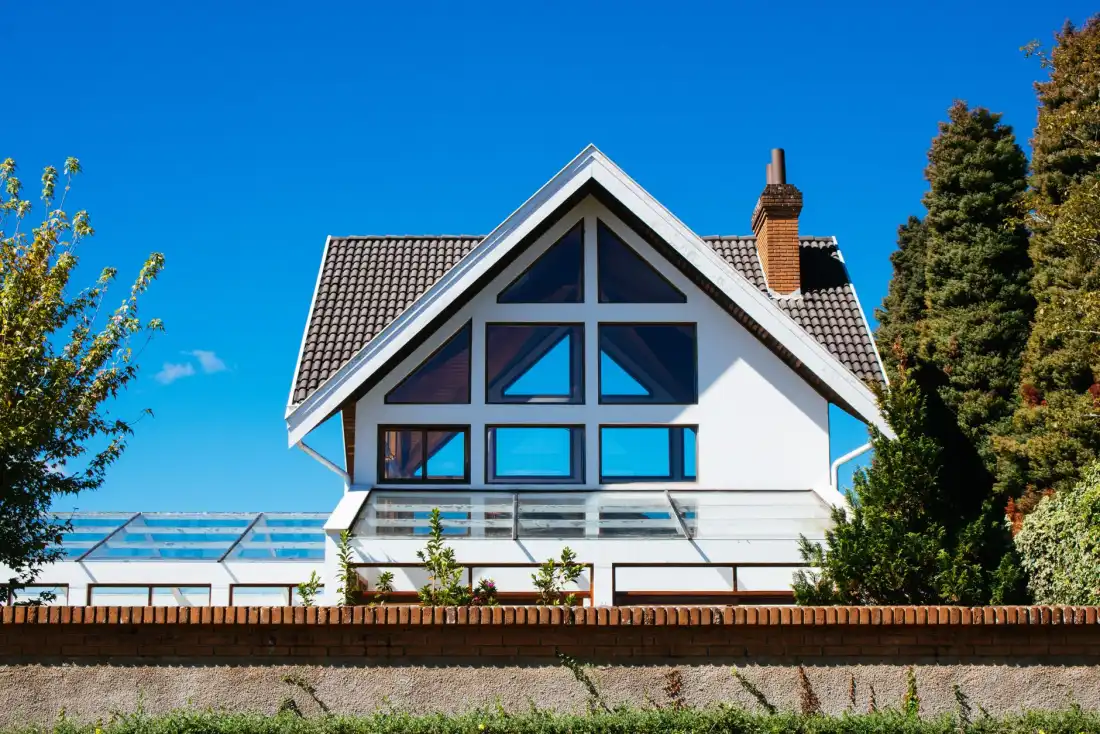
Window replacement cost moves on three things: how many openings, what the frame is made of, and whether the crew is fitting an insert or doing a full-frame replacement. Energy efficient windows are the upsell inside every quote, and whether they pay for themselves depends on two numbers printed on a sticker rather than on anything in the brochure.
Inground Pools
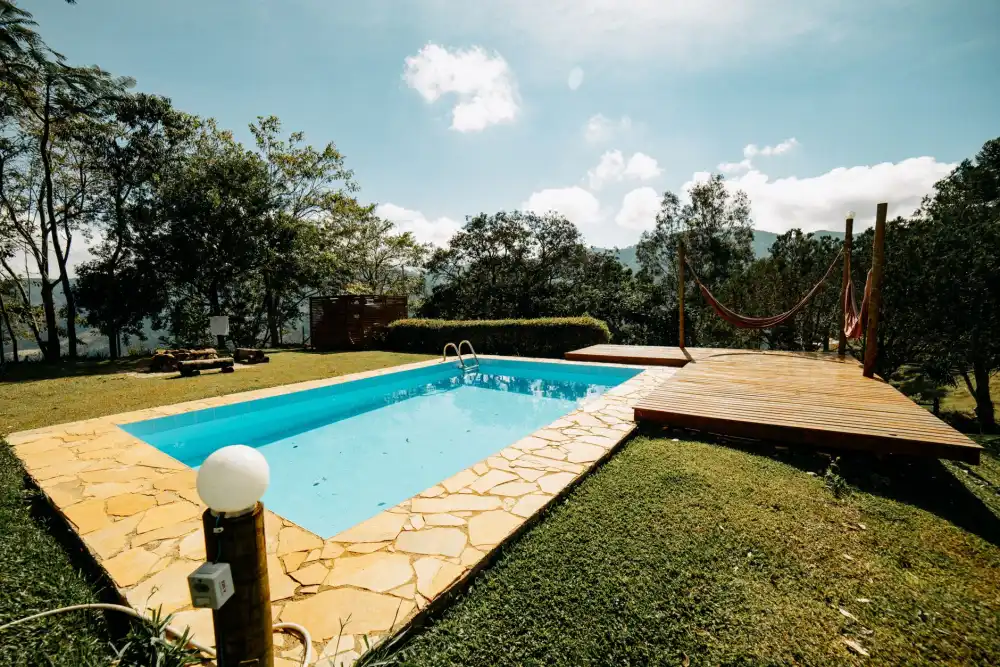
Inground pool cost, as quoted, is the smallest number in the project. The shell is what the contract covers, and the deck, the fence, the water, the electrical work, the heater and the yearly running cost are what actually decide whether a pool fits the budget you had in mind.
Pest Control
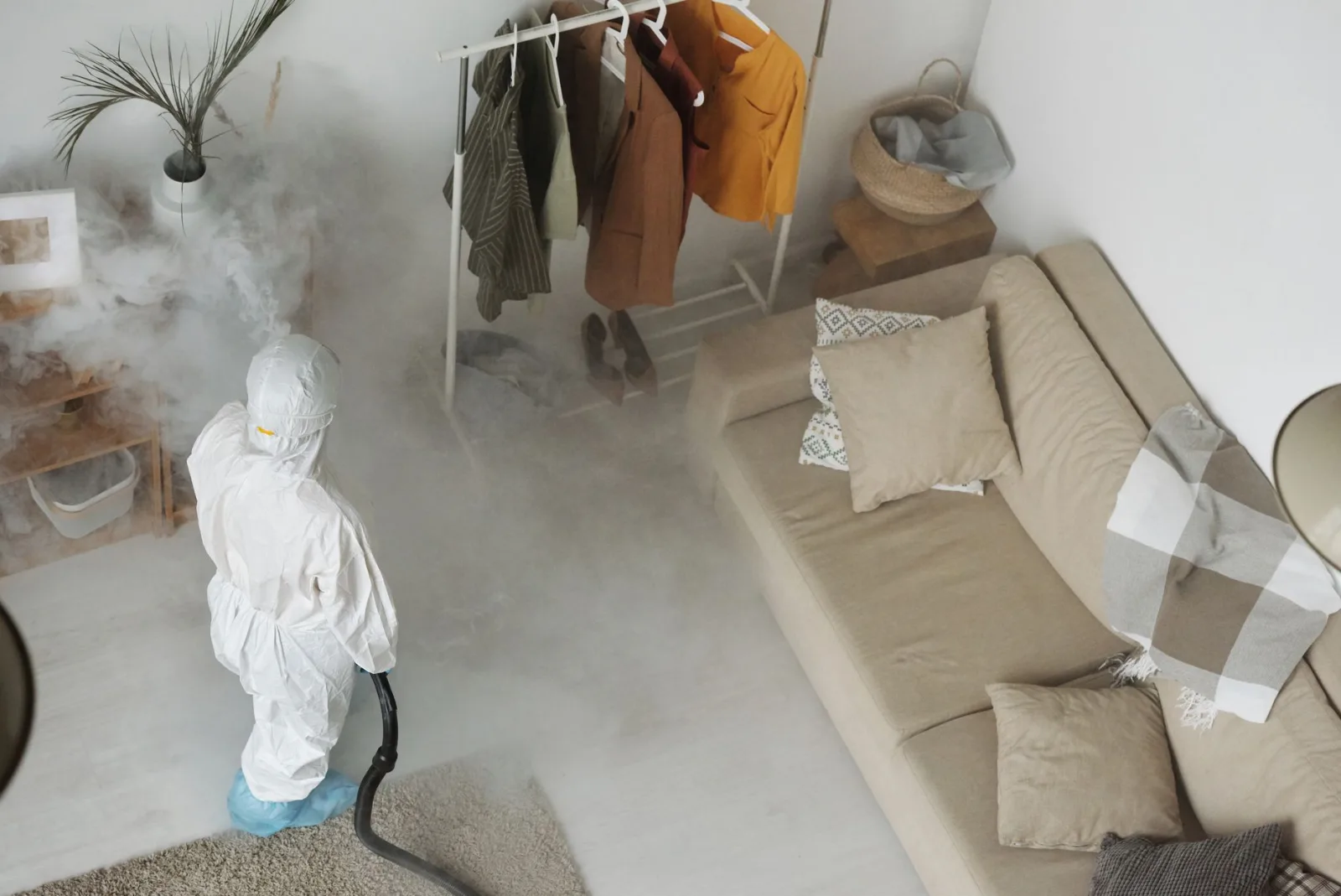
Pest control cost is usually sold as a recurring plan, and the plan rather than the first visit is where the money is. Termite treatment cost is a separate purchase priced by the linear foot of foundation and by method, and of the two it is the one that is genuinely worth getting right.
Home Security
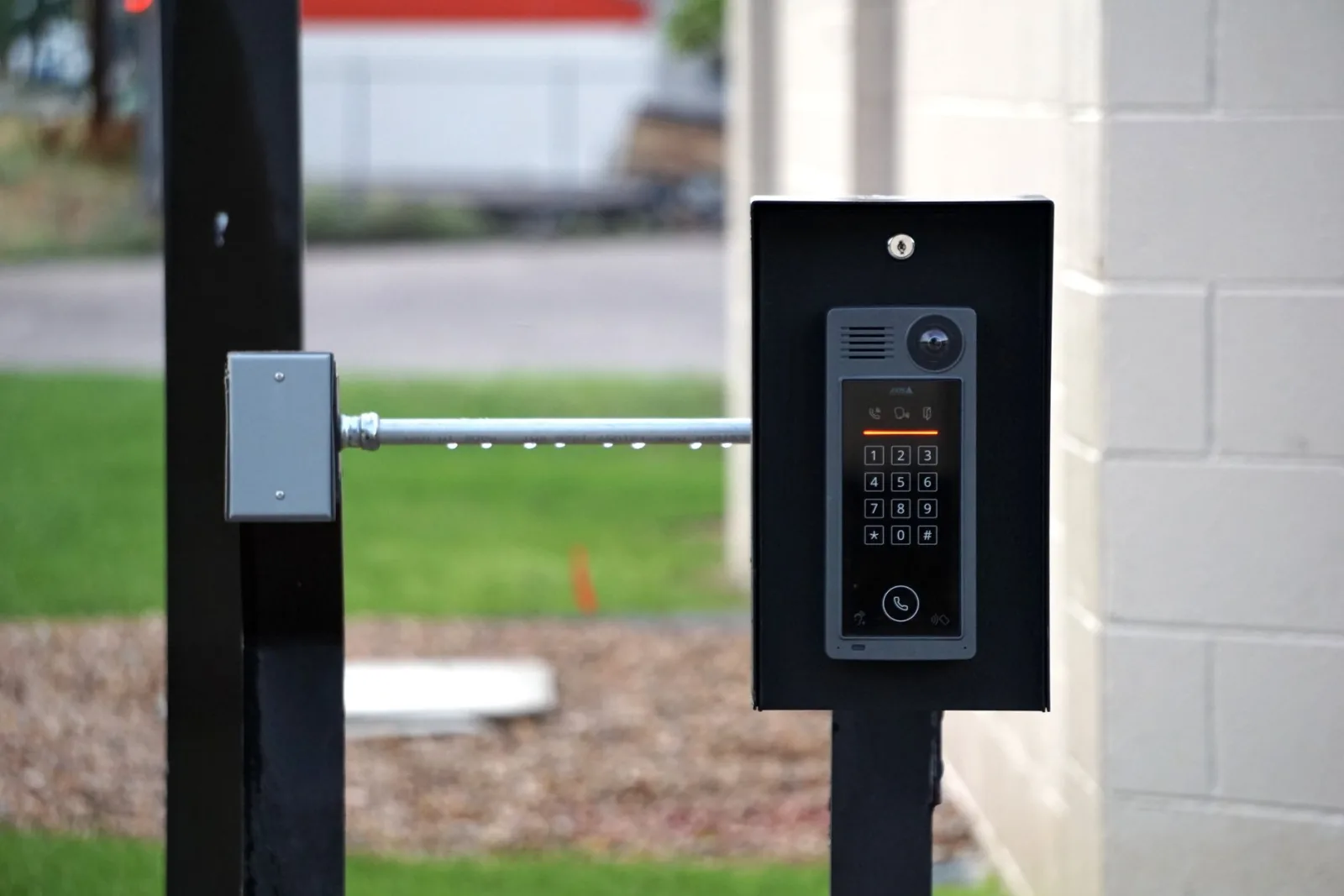
Home security systems are sold on equipment and paid for through monitoring, and the monitoring agreement is the part worth reading twice. The hardware is a one-time number you can see on the invoice, while the contract term, the rate after the promotional period and what happens when you move are the terms that decide the real cost.
How It Works
- Start With the Unit the Trade Prices In. Roofers price by the square, solar by the watt, window companies by the opening, termite work by the linear foot of foundation, alarm companies by the monitoring month. Learn the unit before you read a quote. Two totals that look far apart usually turn out to be two different quantities of the same thing.
- Put Three Bids on One Written Scope. Three quotes are only comparable if they describe the same job. Write down the scope yourself, in a page, then ask each company to price that page rather than their own. The bid that suddenly grows is the one that had been quietly leaving something out.
- Check the Claim Against a Label. Almost every performance claim in these six categories has a published number behind it, printed on a data sheet or a sticker. Ask for that page. A salesperson who will not send it is telling you the number does not say what the pitch says.
- Decide Whether to Buy at All. Doing nothing is a real option and it is free. Work out what happens if you wait a year: what fails, what it costs to fix instead, and whether the price of waiting is smaller than the price of buying. Sometimes it is, and nobody selling you the upgrade will run that arithmetic for you.
Service Areas
America's Home Savings serves Nationwide, US and surrounding communities including:
Frequently Asked Questions
Does America's Home Savings do any of this work?
No. This site does not install roofs, mount panels, fit windows, dig pools, treat for termites or monitor alarms, and it never sends anyone to your house. It is a set of buyer guides. When a page recommends a next step, that step is something you do with a contractor you choose and vet yourself. That distinction matters, because a company that also sells the job has a reason to describe it a particular way.
Why do these pages not publish an average price?
Because a national average for any of these six purchases is close to useless. A roof price depends on pitch and layers, a solar price on system size and roof plane, a window price on frame material and install method, a pool price on soil and access. An average across all of that describes no actual house. What travels between houses is the list of things that move the number, so that is what these pages publish instead.
What is the fastest way to compare three quotes?
Convert all three to the same unit before you look at the totals. Dollars per square, dollars per watt before incentives, dollars per opening, dollars per linear foot. Then read down the scope for the four items that get quietly dropped: tear-off layers, decking or framing repair, flashing or trim, and disposal. Most of the gap between a low bid and a high one lives in those four lines rather than in the labor rate.
Which of these six upgrades should come first?
The one that stops damage. A failing roof or an active termite colony is money leaving the building every month you wait, and both get more expensive the longer they run. Comfort and efficiency upgrades such as windows, and lifestyle purchases such as a pool, sit behind those. Solar sits behind a roof for a mechanical reason: taking an array off and putting it back to reroof underneath it is a cost nobody enjoys paying twice.
How do I check an energy or safety claim myself?
Ask for the specification page, not the brochure. Windows carry an NFRC label with a U-factor and a solar heat gain coefficient on it. Shingles carry a UL 2218 impact class and an ASTM D7158 wind class on the data sheet. Alarm monitoring centers carry a listing you can look up. Each can be read in a minute, and that is how you find out whether the upgrade in the quote is the upgrade in the pitch.
When is the honest answer to do nothing?
More often than the industry admits. A roof with a sound seal and no fractured mat has years left. A shaded roof will not carry a solar payback, whatever the financing looks like. Single-pane windows in a mild climate are a comfort problem before they are an economic one. A pool on a lot with no room for the deck and the fence is a purchase that gets regretted. Each guide here says so on its own page.